The Easiest Things to Grow First
What I would plant first—and the tools I recommend for new growers.
When someone tells me they want to start growing their own food, I will almost always recommend beginning with herbs and lettuce. They grow relatively quickly, do not require a huge amount of space, and give you something you can actually use in the kitchen.
What you choose will still depend on your growing zone and whether you are growing indoors, outdoors, hydroponically, aeroponically, or in soil. But for a brand-new grower, I honestly think starting indoors can make the process feel less overwhelming. You have more control over the light, water, temperature, and pests while you learn what your plants need.
What you need to get started
You do not need an elaborate setup. Start with:
- A container or seed-starting tray
- A growing medium
- Seeds or seedlings
- A grow light or sunny window
- A way to keep the soil moist without soaking it
- A timer for the light, if possible
The biggest mistake new growers make is often overwatering. Your seeds and young plants need moisture, but they should not sit in soaking-wet soil. Damp is good. Soggy is not.
Peppers and some herbs appreciate extra warmth and humidity while germinating, so a clear cover or humidity dome can help. Once the seedlings begin growing, start giving them airflow and remove the cover so they do not stay overly wet.
Seed-starting products I recommend
I have used Burpee products for seed starting and have found the flexible material much easier to work with than some of the thin plastic trays I have tried. The plastic versions can crack, and removing the plant or growing plug without damaging the roots can become frustrating.
Two options worth exploring are:
- Burpee Culinary Herb Windowsill Herb Kit
- Burpee 16-Cell Self-Watering Ultimate Grow System
Both can be used indoors or outdoors. Just remember to keep the growing medium moist without leaving it waterlogged.
For indoor growing, I strongly recommend using a grow light. You can also place a full-spectrum grow bulb inside a regular lamp as long as it shines directly over the seedlings. I prefer lights with timers because I already have enough things to remember during the day.
Here is one beginner-friendly grow-light option: beginner grow light
Seeds or seedlings?
There is nothing wrong with starting with seedlings. In fact, buying a healthy starter plant can give a new grower an early win while learning about watering, lighting, and harvesting. Starting from seed is also completely doable—it simply takes more patience.
When planting outdoors, always check whether the plant is appropriate for your growing zone and current season. Seed packets usually include information about planting times, light requirements, spacing, and days to maturity. Read the packet before planting. It can save you a lot of frustration.
I frequently use SeedsNow when looking for seeds and different varieties to grow.
Ten beginner-friendly herbs to grow indoors
1. Mint
Mint grows quickly and usually rebounds well after being trimmed. Give it its own container because it can spread aggressively and take over the space around it.
2. Chives
Chives are compact, hardy, and easy to harvest. Cut what you need, and the leaves will continue growing.
3. Basil
Basil enjoys warmth and bright light. Regular trimming encourages it to become fuller instead of tall and thin.
4. Parsley
Parsley grows steadily and can handle slightly cooler indoor temperatures. It may take a little longer to germinate, so be patient.
5. Oregano
Oregano prefers well-draining soil and does not need constant watering. It is a good option for anyone who occasionally forgets to water.
6. Thyme
Thyme likes bright light and relatively dry soil. Avoid keeping its roots wet.
7. Rosemary
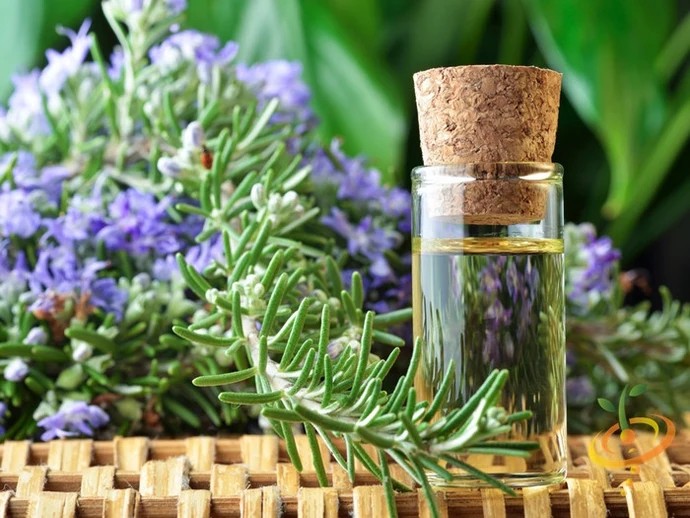
Rosemary prefers bright light, good drainage, and drier conditions. For beginners, I recommend purchasing a healthy seedling instead of trying to start it from seed.
8. Cilantro
Cilantro sprouts fairly quickly and can grow indoors with adequate light. It prefers cooler conditions than basil and may bolt when it becomes too warm.
9. Sage
Sage enjoys bright light and well-draining soil. Once established, it can tolerate slightly drier conditions.
10. Lemon balm
Lemon balm is related to mint and can tolerate a little neglect. Give it plenty of light and its own container so it has room to grow.
Easy lettuce varieties to try
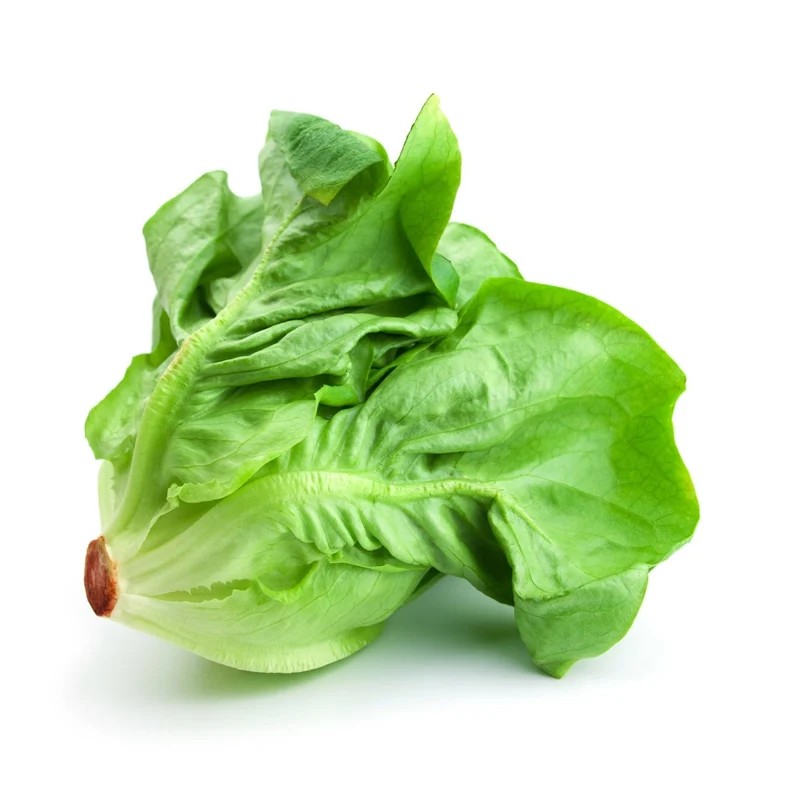
Lettuce is one of my favorite recommendations because you can harvest the outer leaves and allow the center to continue growing. You can explore additional varieties through the SeedsNow lettuce collection.
Black-Seeded Simpson
This loose-leaf lettuce grows quickly, adapts well to containers, and is a strong choice for beginners.
Oakleaf
Oakleaf produces soft, loose leaves and handles repeated trimming well.
Red Sails
Red Sails grows quickly and adds beautiful color to salads and small indoor-growing setups.
Buttercrunch
Buttercrunch stays fairly compact and produces sweet, tender leaves. It is a great choice for containers and indoor gardens.
Start with what you will actually use
Do not choose ten plants simply because they are considered easy. Start with two or three things you already enjoy eating.
If you use basil every week, grow basil. If you make salads regularly, start with lettuce. If you love fresh mint in tea or water, give mint its own container and let it grow.
Growing food becomes more rewarding when you can walk over, harvest something, and use it in a meal. That first successful harvest builds confidence—and confidence is what keeps many new growers going.
Start small. Grow what you use. Let your confidence grow with it.
What would you plant first: herbs, lettuce, or both?


Anything I linked here also lives in The Market, if you'd rather browse it all in one place.
Disclosure: Some links in this guide are affiliate or referral links. I may receive a commission when you make a qualifying purchase through them, at no additional cost to you. As an Amazon Associate I earn from qualifying purchases.
Join the conversation
Tried this, have a question, or want to share what worked for you? Leave a note — I read every one.
Sign in to leave a comment. It keeps the conversation real and the spam out.
Loading comments…